Liminal spaces, explained and photographed
Why a mall before opening, a hotel corridor at night or a pool with no swimmers feels so strange, and how to find and photograph places like them yourself.
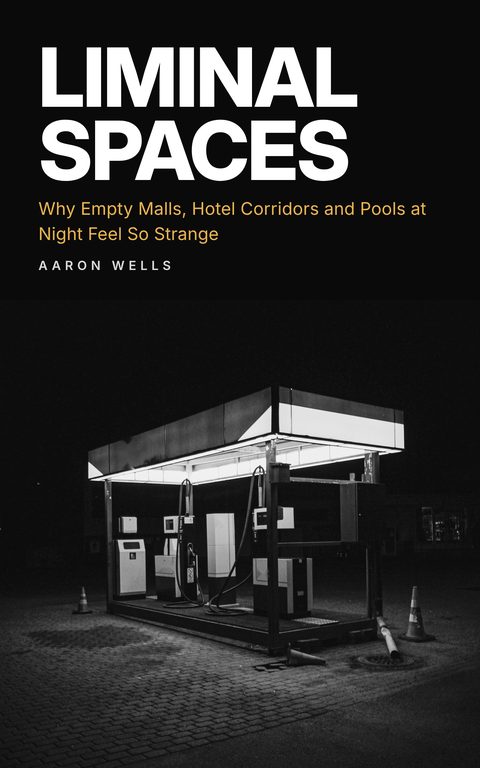
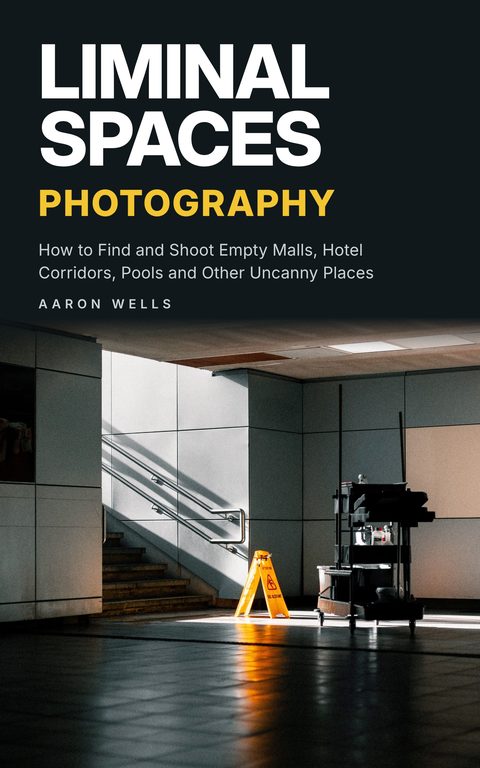
Kindle editions on Amazon now. Paperback and hardcover coming soon.
The short answer
What is a liminal space?
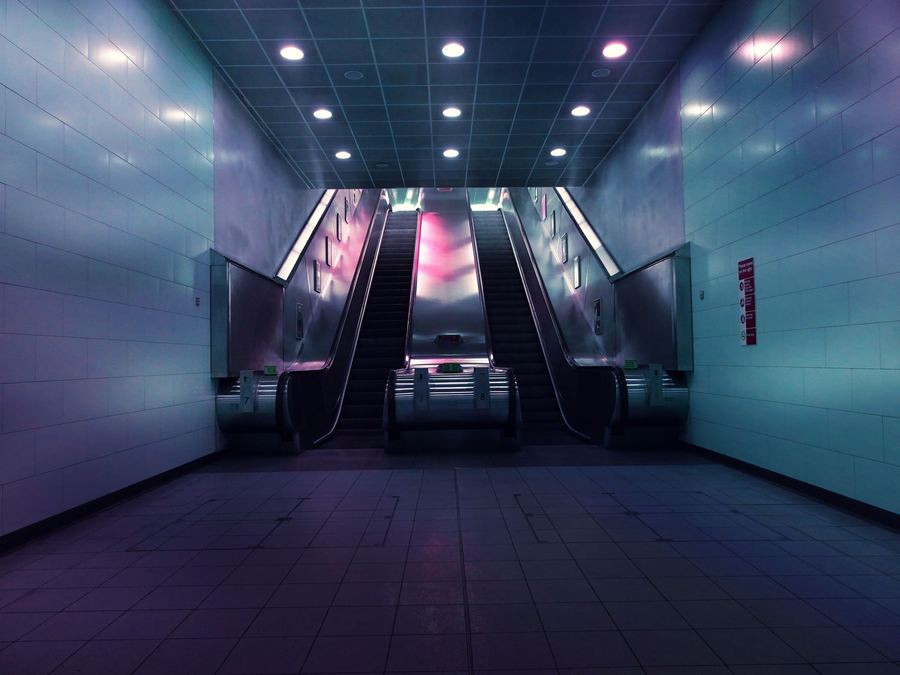
A familiar place with its people missing.
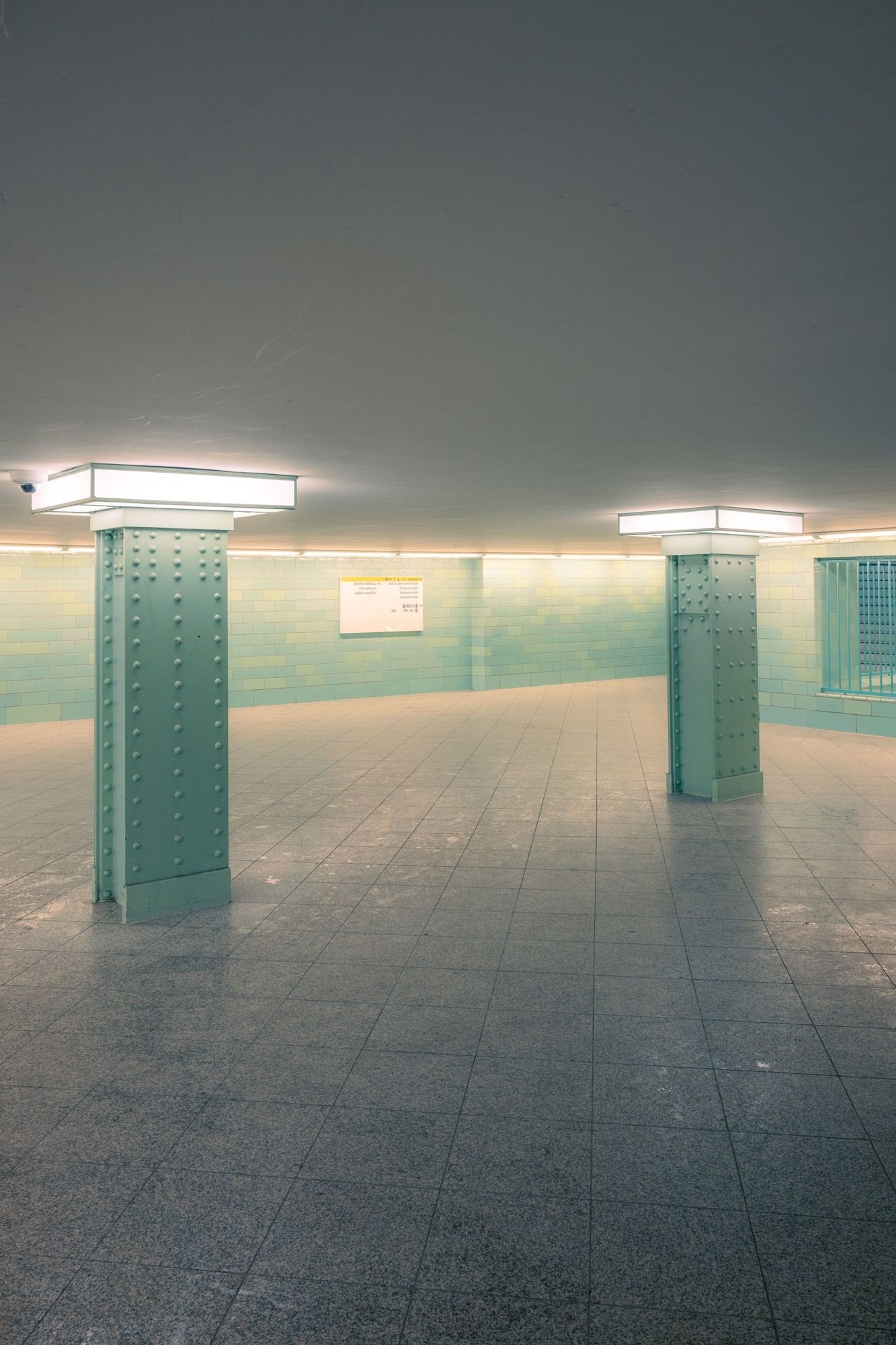
The word comes from the Latin limen, a threshold. Anthropologists used it for the middle stage of a ritual, a condition they call liminality. Since about 2019 the internet has used it for places: malls before the stores open, hotel corridors at night, stations between trains, a classroom over summer break. A ruin explains its own emptiness. A ready room doesn't, so you keep waiting for the crowd.
Start here
Guides
Examples
Twenty-five liminal spaces
Dead malls, hotel corridors, pools at night, platforms between trains. What each one is, and what in the frame makes it work.
Field guide
How to photograph them
Where and when to go, how to be there legally, getting people out of the frame, and the green cast of fluorescent light.
The story
The Backrooms, explained
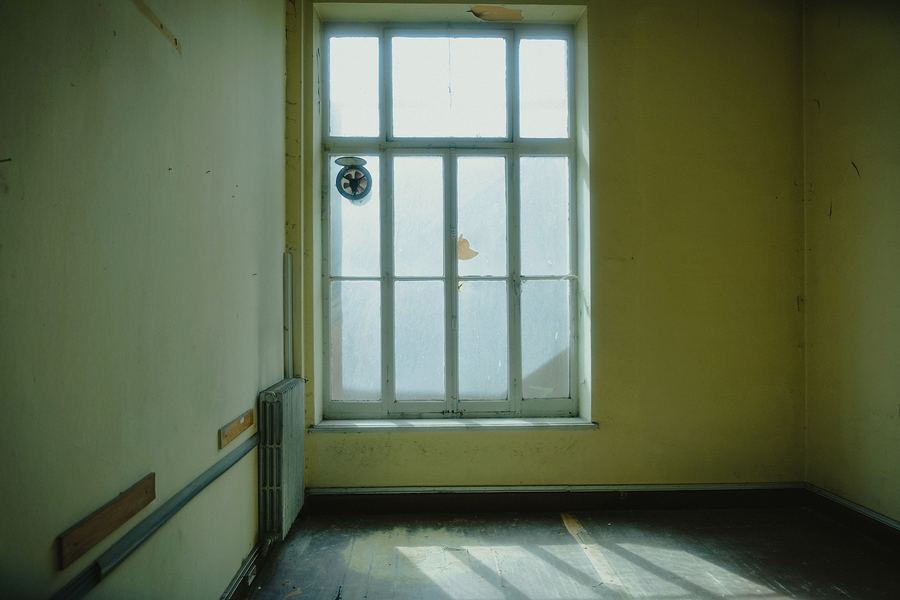
One photograph of a yellow room, posted in 2019, became an internet legend and then a feature film. In 2024 someone found the room.
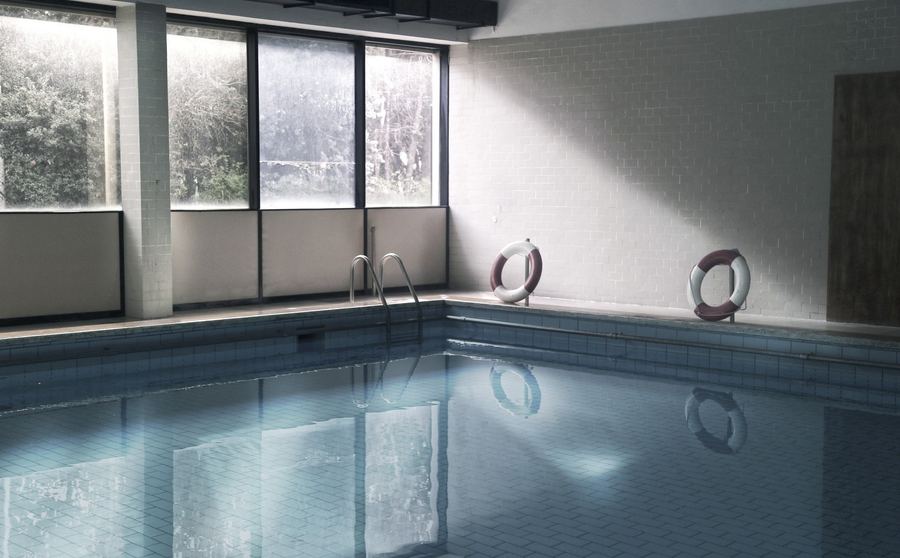
Why do empty swimming pools feel so strange?
A pool is made for splashing and shouting, so a still one removes the thing the room is for while the machinery keeps going.
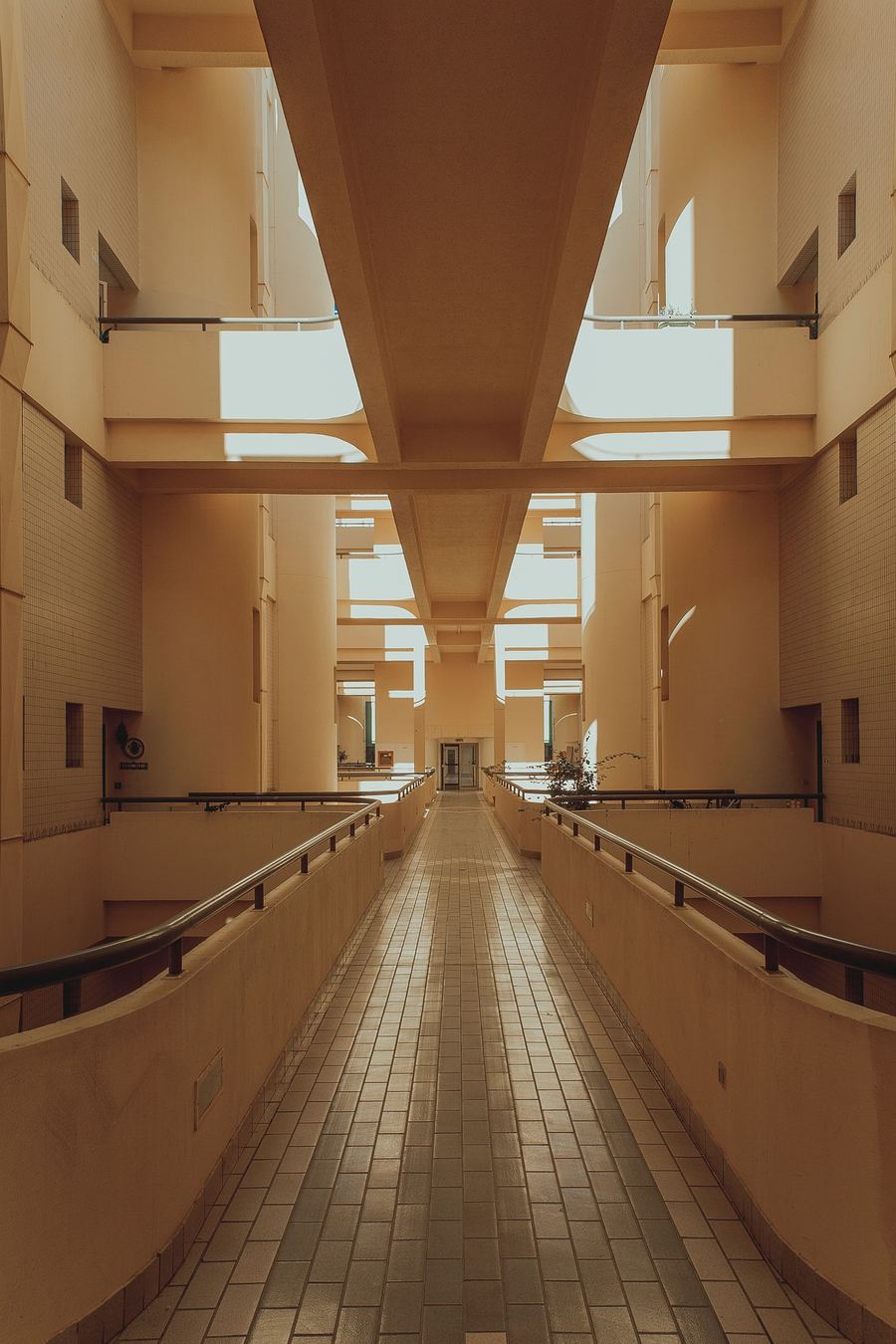
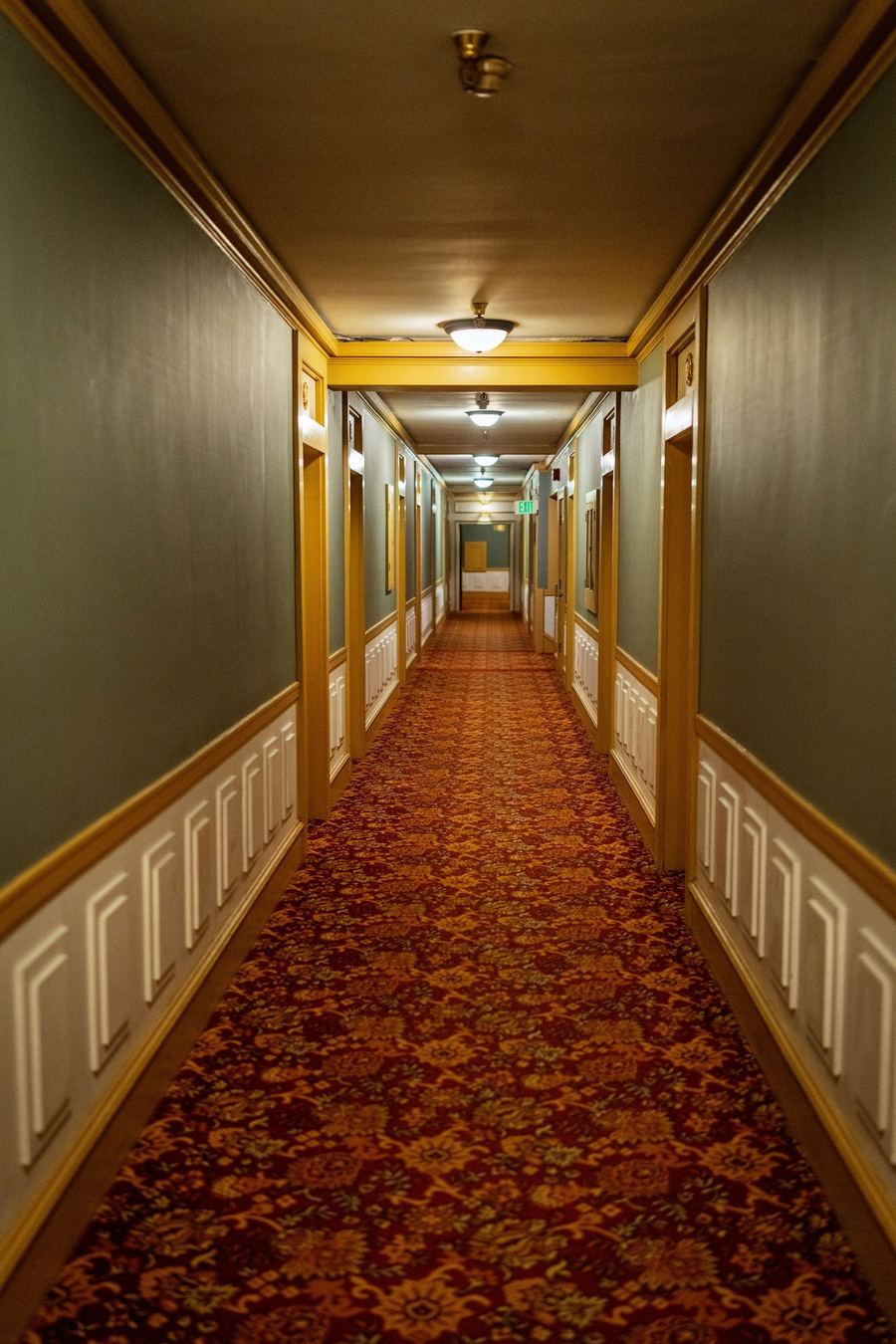
Why do hotel corridors feel wrong at night?
A hotel corridor at night hides both its far end and the sleepers behind its doors, and the repetition gives you nothing to steer by.
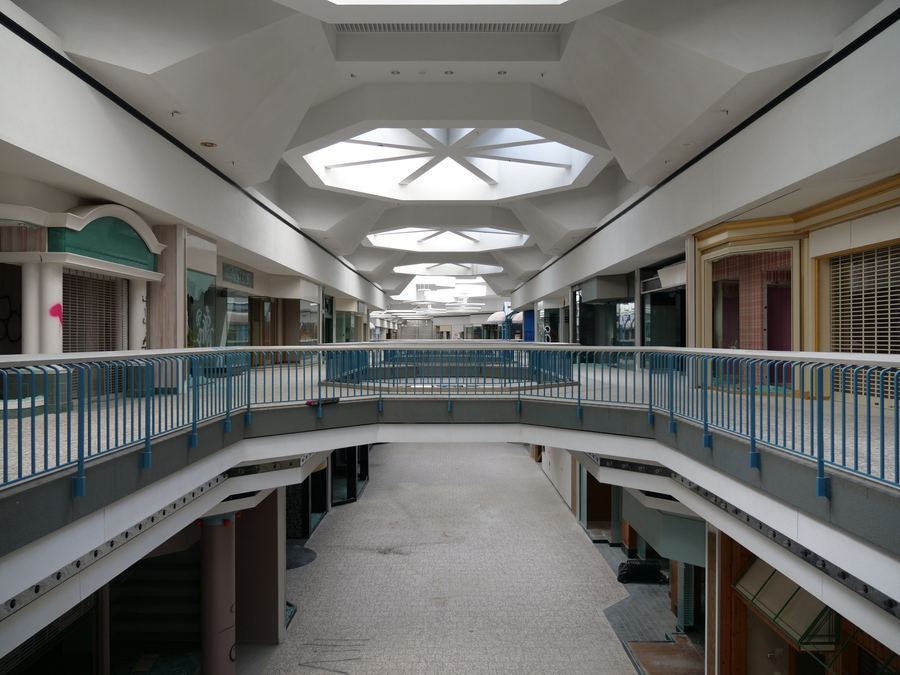
Why do empty malls feel so creepy?
A mall is a machine designed around a crowd, and when the crowd is missing the machine keeps running anyway.
Questions people ask
What is a liminal space?
A liminal space is a familiar place that feels oddly detached from ordinary life, usually because the people it was built for are missing: a mall before opening, a hotel corridor at night, a pool with no swimmers. The word comes from the Latin limen, a threshold. Anthropologists used it for the middle stage of a ritual; since about 2019 the internet has used it for places and for the mood a picture of a place gives off. Full explanation.
What is liminality?
Liminality is the state of being in between, no longer one thing and not yet the next. Anthropologists use it for the middle stage of a rite of passage; online it describes places and pictures that feel suspended between moments, like a mall before opening. Where the word comes from.
Why do liminal spaces feel so strange?
Because the room is ready and nobody came. A ruin explains its own emptiness. A lit food court with every chair pushed in does not, so your brain keeps waiting for the activity the place was set up for. Add a corridor with no visible end, lights left on, and no clue what time it is, and the feeling gets stronger.
Are liminal spaces the same as the Backrooms?
No. Liminal spaces are pictures of real or real-looking places, shared for their mood. The Backrooms is a fiction, an online legend about an endless maze of yellow rooms that grew from one photograph posted in 2019. It borrows the look, but it has a story, levels and rules. The Backrooms explained.
Can I photograph liminal spaces myself?
Yes, with the phone you already have. You need an ordinary place at its quiet hour, permission to be there, and a few habits: find the vanishing point, hold the camera level, wait for the gap in foot traffic, and decide what to do about the green cast of fluorescent light. The field guide.
Where can I buy the books?
Both books are on Amazon in Kindle and print editions. Buy buttons on this site point to your local Amazon store. The books.